Hex by Hex
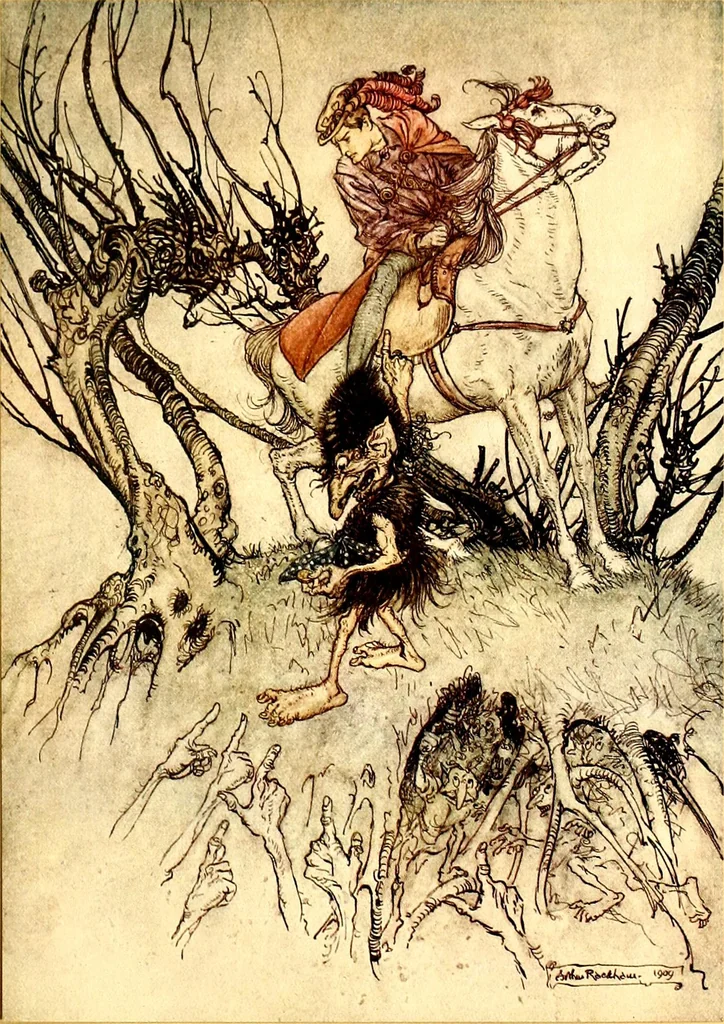
I've been enjoying the hex-crawl, and, especially for Songs Unsung, wanted a procedure for generating a suitable adventuring region.
Notably, the process is best if it starts with a strong idea, a palette, and then grows from that palette using procedural tools, random table results, and a healthy dose of sleight of hand. I.e. use the tables and tools here to inspire you and fill in blanks, but do not feel beholden to them.
1. Gather the Palette
Brainstorm six thematic words that describe key elements of the adventuring region you are building.
Pick quickly. Favor weird over common. Write a dozen and choose the best 6.
For example:
- Drake Riders
- Fungal Forests
- Subterranean Folk
- Tyranny
- Fractured Reality
- Ancient Machines
Consider your list. Imagine how your elements interact. What does life look like in this area for an average person? A ruler?
Don't get too worried about these. If you've been staring at the list for hours (or a week) it's time to move on.
2. Draft Key Conflicts
Describe the 3 major conflicts in the adventuring region, using the model "X wants Y but Z so Q."
The conflicts should be mostly unrelated to one-another, though they can and will interact during play. They might all be related to the elements on the palette, they might not.
- The drake riders wish to prevent catastrophe due to tampering with the ancient machines, but meddlesome thieves keep arriving, so they patrol the skies.
- The under-dwellers wish to live in peace, but they are under attack by wicked creatures, so they build refugee camps in the lands above.
- The ancient magus wishes to escape his demi-plane prison and establish a flying city under his reign, but someone must free him, so he sends visions and dreams to incite greed and violence.
3. Terrain
Print a fresh hex-map, about 8x10.
Roll a terrain type, then fill a region of 2d6 hexes with it, starting in the center of the map.
- Savannah
- Canyon
- Desert
- Forest
- Grasslands
- Hills
- Lake
- Mountains
- Ocean
- Plateau
- Swamp
- Weird
Weird Terrains
- Deadlands
- Fae Grove
- Fungal Forest
- Holy Ground
- Ley Line
- Planar Border
- Rotting Giant
- Unholy Ground
- Inescapable
- World Tree
Repeat the above, placing new regions adjacent to the previously drawn region, until the map is full.
4. Stocking
Roll a d12 to determine which type of feature is present, then roll a d8 to get inspiration for a form of that feature. A result on the d12 of 10+ means the hex is "empty."
Palette: As you stock hexes, keep the palette of the region in mind.
| 1-2: Lair | 3-4: Settlement (Pop.) | 5-6: Landmark | |
|---|---|---|---|
| 1 | Tunnels | Hermitage (1-3) | Monument |
| 2 | Ruin | Hamlet (5-10) | Mega-Flora |
| 3 | Natural Cave | Fortified Waystation/Inn | Megalith |
| 4 | Elevated | Fortress/Garrison (20-50) | Battlefield |
| 5 | Nesting Ground | Resource Camp (20-50) | Impossible Geography |
| 6 | Magical | Hideout (10-100) | Boundary Marker |
| 7 | Dwelling | Thriving Trade Town (100-500) | Spirit Activity |
| 8 | Fortification | Weird (1-500) | Planar Intersection |
| 7: Hazard | 8: Ruin | 9: Resource | |
|---|---|---|---|
| 1 | Environmental | Watchtower | Mineral |
| 2 | Magical | Temple / Shrine | Vegetation |
| 3 | Unstable Path | Villa | Water / Liquid |
| 4 | Contagion | Crypt | Animal |
| 5 | Trap | Palace | Hidden Cache |
| 6 | Extreme Climate | Burial Mound | Wreck, Salvageable |
| 7 | Flora | Mine | Adventurer’s Remains |
| 8 | Curse / Haunting | Sanctum | Source of Magic |
Calendar, Events, Weather
Choose a month in which to start the year.
Fill in the dates, with each date on one line of a sheet of notebook paper.
Starting Events
Consider your conflicts. Name one event related to those conflicts that has happened recently within the world. The fallout of that event should affect the players.
- Drake Riders' Decree: Nearby settlements receive warning from the riders. Any who trespass in the wild will be considered thieves, and put to death. Those with legitimate causes should report directly to the Drake Hold.
D6 days later, mark another event, and decide which conflict it is related to.
- Emergence: A group of under-dwellers breaks the surface and begins to create a semi-permanent camp near the party. They are frightened and desperate, but not evil.
D6 days after that, create another event related to the final conflict.
- Dreamsign: A sleeping party member has a vision of the sealed wizard's demi-plane, and the gate to enter it (probably in the bottom of a dungeon). They can sense the general direction toward the gate from now on.
Each of these events should affect the party, similar to a random encounter, but pointing to the wider conflicts of the area.
Further Events
During play, if the party sets things in motion, consider how many days it would reasonably take for the fallout of their actions to occur. If they loose a demon, how many days until that demon destroys a town? If they incite a war, how many days until the next major battle?
Consider how the party will hear about those events. Fleeing refugees, smoke on the horizon, soldiers marching, couriers switching horses and sharing news, etc.
It is not enough for events to happen in the distance. The game is limited to what occurs at the table. You don't have to tell the party exactly what is happening, but it should be very clear that something is happening in the world, and roughly which direction.
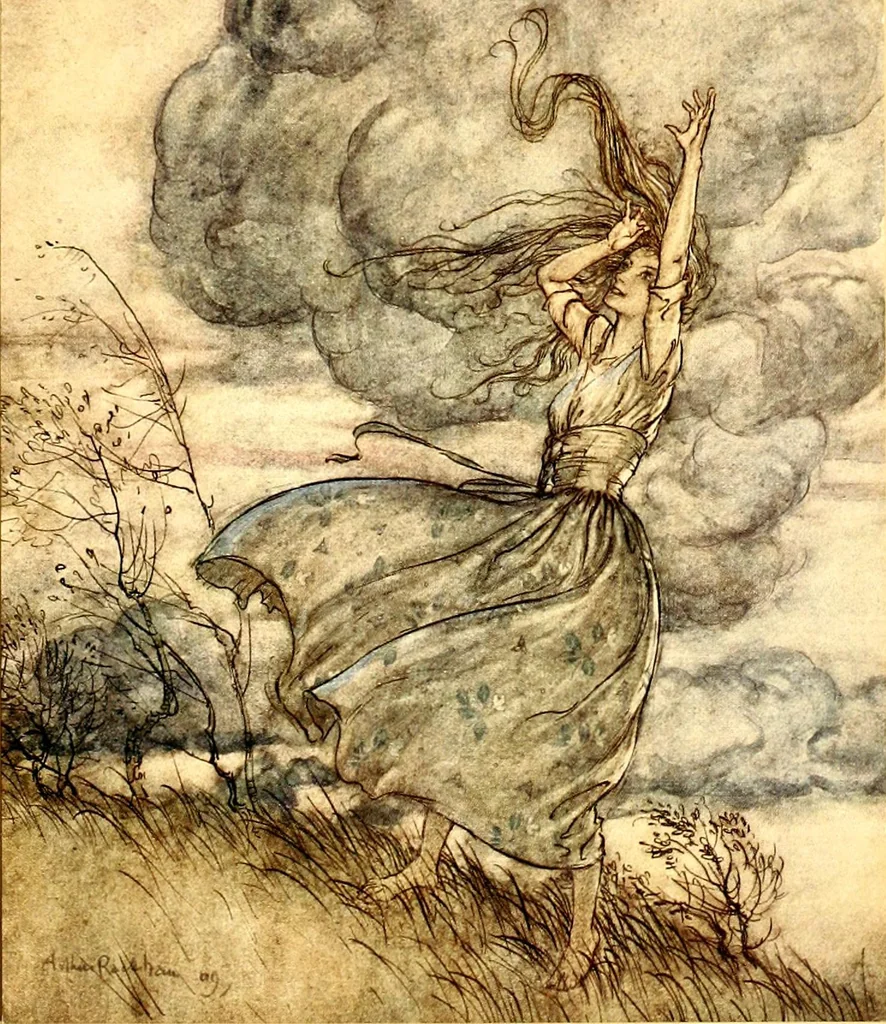
Weather
- -2 // Extreme
- -1 // Precipitation
- Same // Cloudy
- Same // Overcast
- +1 // Windy
- +2 // Clear
Roll once to set the starting weather. Each day, roll to adjust the weather. If weather is on Extreme/Beautiful already, and would go off the chart, roll it randomly instead.